Hi, I'm Lars. I spend a lot of time trying to make sense of batteries.
Most of my work revolves around battery models and diagnostics, building tools that help us look inside a cell and understand how it is built, how it behaves, and how it ages.
Over the years I've seen how difficult it can be to build a real intuition for batteries. They are complex systems, and most explanations focus on isolated effects rather than the bigger picture.
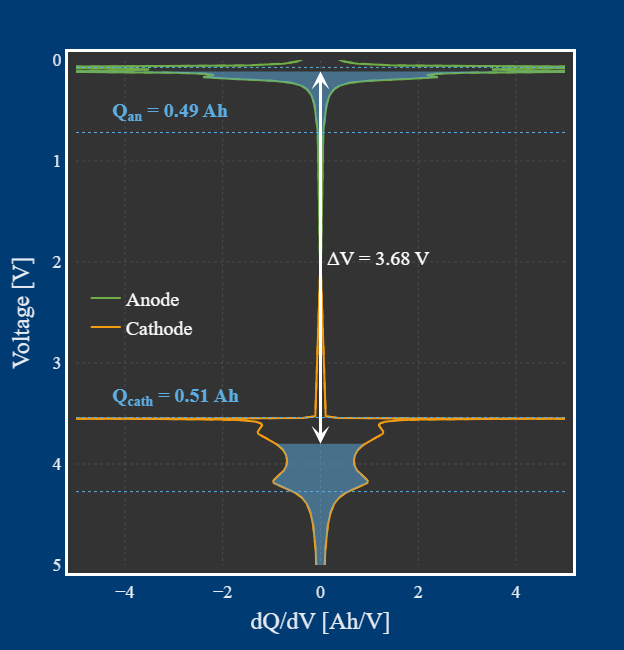
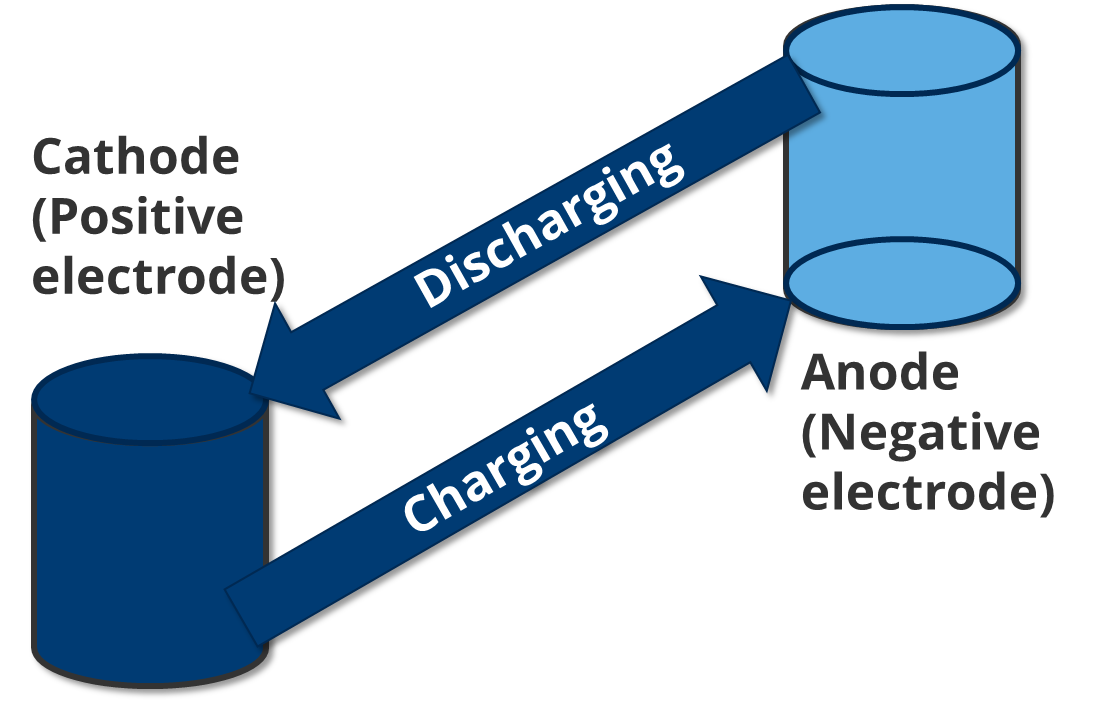
This site is built around a simple idea: if you look at batteries through the right mental models, many things suddenly become much clearer. One example is thinking about a battery as a system of connected tanks: a simple picture that turns out to explain surprisingly many things.
My background is in physical battery modeling. I started with a PhD in thermodynamics-based aging models and later expanded into aging analysis, cell design and swelling prediction in industry. Today I work on battery software at Breathe, translating physical insight into practical tools.
Charge Tanks is where I collect the models, examples, and visual explanations that make these topics easier to reason about.